Blood in the stools always deserves a check, even a little.
Blood can come from anywhere along the gut, from the stomach to the back passage. Its colour is a clue to where: the further it has travelled, the darker it turns. Most often it is from piles or a small tear, but it can also be the first sign of an ulcer, colitis or a growth, so it should never simply be ignored.
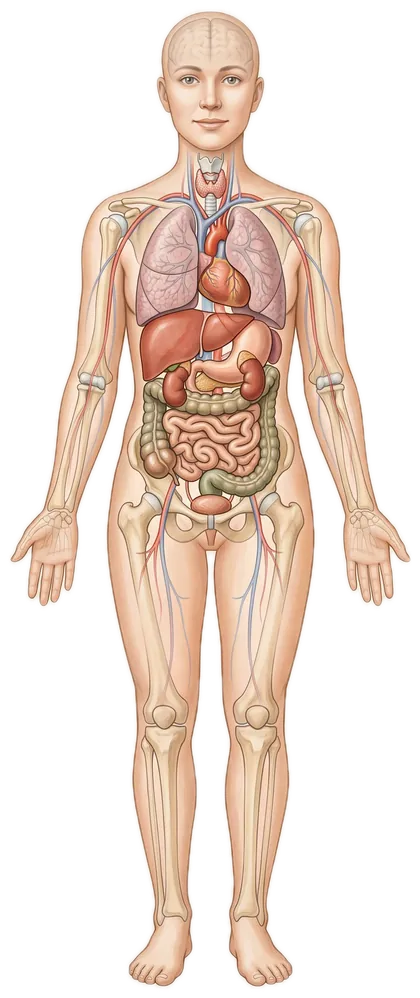
In plain words.
Bright red blood on the paper, dripping into the pan or streaking the outside of the stool usually comes from near the end: piles (swollen veins at the back passage, often painless) or a fissure (a small tear that makes passing stool sharply painful). Hard stools and straining make both worse.
Dark red or maroon blood mixed in with the stool usually comes from higher in the large bowel: an infection, colitis (such as ulcerative colitis or Crohn’s disease), pouches in the bowel wall, a polyp or a growth. These need tests to find the cause.
Black, sticky, tar-like stools with a strong smell mean blood that has been digested, usually from the stomach or the start of the small bowel: a bleeding ulcer, often from painkillers such as diclofenac, ibuprofen or aspirin, or swollen veins in liver disease. This can be serious even if you feel well.
Some things only look like blood. Iron tablets and bismuth medicines turn stools dark green or black, but they are not sticky or tarry. Beetroot and red food colouring can turn stools red.
Bleeding over some weeks may show only as tiredness and breathlessness from anaemia. After 40, or with weight loss, a change in bowel habit or bowel cancer in the family, even a little bleeding needs a proper look inside the bowel, not just a cream for piles.
Red, dark red or black?
Blood from near the end, often piles or a small tear, has no time to change colour. It shows bright red on the paper or on the outside of the stool. Common and usually treatable, but still worth a check.
Blood from higher in the large bowel darkens on the way and mixes into the stool. Colitis, a polyp or a growth can bleed like this, so it needs tests to find the cause.
Blood from the stomach or the start of the small bowel is digested on its long way down and comes out black, sticky and tarry. It often means a bleeding ulcer: go to hospital now.
Go to hospital now if
- Black, sticky, tar-like stools: go to hospital now, even if you feel well. Iron tablets make stools dark but not sticky or tarry; if you are not sure, go.
- You have liver disease (cirrhosis) and see blood in the stools: go to hospital now.
- A lot of blood or clots, bleeding that keeps coming, or the pan filling red: call 112.
- Any bleeding with dizziness or fainting on standing, a fast heartbeat, cold sweaty skin or breathlessness: call 112.
- Vomiting blood, or vomit that looks like coffee grounds: call 112.
- Bleeding with severe tummy pain, or more than a streak of blood while on a blood thinner: go to hospital now. Take the medicine strip with you; the hospital doctor will decide about the next dose.
Call 112 or go to the nearest emergency department. Ambulance: 108 (102 in some states).
See a doctor the same day if
- Blood with loose motions, fever or tummy cramps
- Blood in the stools of a child or an older person
- Even a streak of blood while you take a blood thinner. Do not stop the medicine on your own; ask the doctor
Tests that help.
Not everyone needs every test. He decides which ones are worth doing for you.
| Test | What it tells |
|---|---|
| Examination of the back passage | A gentle finger check and a look with a short tube (proctoscopy) in the clinic. Finds most piles and tears. |
| Haemoglobin and blood count | Shows how much blood has been lost, and whether there is anaemia. |
| Stool tests | Hidden blood, germs, and calprotectin, a marker of inflammation in the bowel. |
| Colonoscopy | A thin camera through the back passage to see the whole large bowel, take samples and remove polyps. |
| Upper endoscopy | A camera through the mouth to the stomach, for black stools or vomited blood. Can often stop the bleeding at the same time. |
| Liver tests and kidney function | Help find liver disease and show how the body is coping. |
Have it ready.
Tick them off as you gather them. The ticks stay on this phone only.
Online, or in person?
Do not assume bleeding is from piles, especially after 40: bowel growths can bleed the same way. Avoid painkillers such as diclofenac, ibuprofen and nimesulide if you have had black stools or an ulcer, unless your doctor advises them. Iron tablets make stools dark; tell the doctor if you take them.
A video call can
- Work out from your story where the blood is likely coming from, and how urgent it is
- Arrange blood and stool tests, and decide who needs a colonoscopy or endoscopy
- Review painkillers and blood thinners that can cause bleeding
- Treat constipation, piles and tears, and follow up anaemia
Needs a visit in person
- Heavy bleeding, black stools or feeling faint: that is for hospital
- Examination of the back passage and proctoscopy
- Colonoscopy and endoscopy, and banding or surgery for piles

Talk it through with Dr. Arya.
Bring your reports and medicines to a video consultation. He goes through them with you, in plain words, and says clearly if you need to be seen in person.
Book a video consultationDr. Prabhat Arya · MBBS, MD (Internal Medicine) · Delhi Medical Council Reg. No. DMC-83759