A chest infection is germs in the airways or the air sacs.
A chest infection is an infection below the throat: in the airways (bronchitis) or deeper, in the lungs’ tiny air sacs (pneumonia). Most are mild and settle on their own. Pneumonia can be serious, especially in older people and those with other illnesses, and needs a doctor.
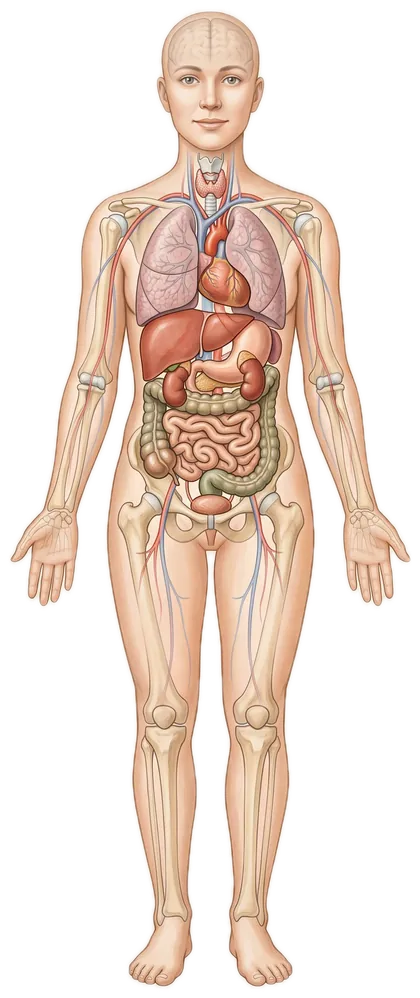
In plain words.
Bronchitis is an infection of the airways, usually caused by a virus, often after a cold. The cough can bring up phlegm and may last about three weeks. Antibiotics usually do not help it, because they do not kill viruses.
Pneumonia is an infection of the air sacs, where oxygen passes into the blood. They fill with pus and fluid, so less oxygen gets through. It is often caused by bacteria and usually needs antibiotics. Some people can be treated at home; others need hospital, especially if they are over 65, breathless, or have diabetes, heart, lung or kidney disease.
A cough that lasts more than two weeks, especially with fever, night sweats, weight loss or blood in the phlegm, needs a check for TB. TB is common in India, and a simple phlegm test finds it.
Do not start leftover antibiotics on your own. The wrong antibiotic can hide a serious infection, and antibiotics taken when they are not needed help germs become resistant to them.
Inside the air sacs
The lungs end in millions of tiny air sacs, wrapped in fine blood vessels. Oxygen passes from the air in them into the blood.
Germs get into the air sacs. White cells rush in to fight them, and the sacs fill with pus and fluid. Less oxygen gets through, and the patch shows white on an X-ray.
With the right treatment the fever settles within days, but the air sacs clear slowly. Tiredness and a cough can last several weeks.
Go to hospital now if
- Breathless at rest, unable to finish a sentence, or lips or face turning blue or grey: call 112.
- Confusion, unusual drowsiness, or fainting: call 112.
- An oxygen reading (pulse oximeter) below 92% at rest, or below the level your doctor gave you if you have COPD: go to hospital now.
- Breathing very fast (more than about 30 breaths a minute at rest), or cold, clammy or mottled skin: go to hospital now.
- Coughing up more than a streak of blood: go to hospital now.
- In a child: fast breathing, the chest pulling in with each breath, grunting, or not drinking: go to hospital now.
Call 112 or go to the nearest emergency department. Ambulance: 108 (102 in some states).
See a doctor within a day if
- You have a fever with cough and phlegm, and feel breathless or have chest pain
- You are over 65, pregnant, or have diabetes, heart, lung or kidney disease, or weak immunity from illness or medicines
- Fever lasts more than three days, or you get worse after starting to improve
- You were given antibiotics and are no better after two to three days
- A cough lasts more than two weeks, or comes with weight loss or night sweats
Tests that help.
Not everyone needs every test. He decides which ones are worth doing for you.
| Test | What it tells |
|---|---|
| Oxygen level (pulse oximeter) | A quick finger clip. A low reading is one of the clearest signs that a chest infection needs a hospital. |
| Chest X-ray | Shows pneumonia as a white patch, and helps rule out other causes such as fluid or TB. |
| Blood count and CRP | A raised white cell count and CRP suggest a bacterial infection and how strong it is. |
| Kidney function, blood sugar and electrolytes | Show how the body is coping, and help decide between home and hospital. |
| Phlegm test for TB | For a cough of more than two weeks. A rapid machine test (CBNAAT or TrueNat) gives an answer in hours. |
| Phlegm culture, or tests for flu or COVID | Sometimes, to find the germ and choose the right medicine. |
Have it ready.
Tick them off as you gather them. The ticks stay on this phone only.
Online, or in person?
Cough syrups do not treat a chest infection, and some cause drowsiness. Do not give cough and cold medicines to young children unless a doctor advises. If you are breathless, a low oxygen reading matters more than how you feel: do not wait at home.
A video call can
- Tell a simple bronchitis from a likely pneumonia, and whether you need a hospital
- Decide whether antibiotics are needed, and which
- Arrange a chest X-ray and blood tests, and go through the results with you
- Follow your recovery, and check for TB when a cough will not settle
Needs a visit in person
- Listening to the chest, and a chest X-ray
- Oxygen, a drip or injected antibiotics in hospital
- Any sign in the red box: that is an emergency

Talk it through with Dr. Arya.
Bring your reports and medicines to a video consultation. He goes through them with you, in plain words, and says clearly if you need to be seen in person.
Book a video consultationDr. Prabhat Arya · MBBS, MD (Internal Medicine) · Delhi Medical Council Reg. No. DMC-83759