Hepatitis B and C are silent, common and treatable.
Hepatitis B and C are viruses that live in the liver. Most people who carry them feel well for years and find out only from a blood test, often before surgery, in pregnancy or when giving blood. Left alone, they can slowly scar the liver. Found early, hepatitis C can be cleared with tablets and hepatitis B kept under control.
In plain words.
How they spread: from blood to blood, through reused needles and syringes, shared razors and blades (including at the barber), tattoos or piercing with unclean tools, and untested blood. Hepatitis B also passes from mother to baby at birth (hepatitis C less often), and through sex. They do not spread by sharing food, water or utensils, by hugging, or by coughing. People who carry them can work, marry and live normally.
What they do: most adults who catch hepatitis B clear it within months, but a baby infected at birth usually carries it for life. Hepatitis C stays in most people. A long-lasting infection keeps the liver inflamed; over 10 to 30 years some people develop cirrhosis, liver failure or liver cancer. Alcohol and fatty liver speed this up.
Hepatitis C: 12 weeks of tablets (sometimes 24) clear the virus in more than 9 out of 10 people. Hepatitis B: not everyone needs medicine; it depends on the virus level, the liver tests and any scarring. When it is needed, a daily tablet such as tenofovir or entecavir keeps the virus down, usually for years. Government hospitals offer free testing and treatment for both under the National Viral Hepatitis Control Programme.
The vaccine: three doses of hepatitis B vaccine protect for the long term, and are part of every Indian baby's vaccines from birth. Adults who are not protected, especially the family and partner of someone with hepatitis B, should have it. A baby born to a mother with hepatitis B needs the vaccine, and an injection of antibodies, within 12 hours of birth. There is no vaccine for hepatitis C.
A virus that stays quiet for years
The viruses pass from one person's blood to another's: reused needles and syringes, shared razors, untested blood, and for hepatitis B, from mother to baby at birth and through sex. They travel to the liver and settle there.
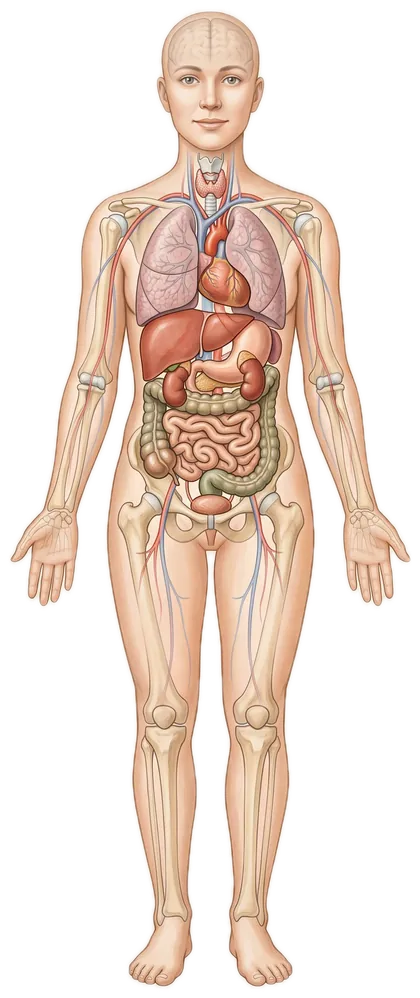
The virus lives in the liver cells, often for years with no symptoms. It keeps the liver inflamed and scars slowly build up. Over decades this can become cirrhosis, and it raises the risk of liver cancer.
Tablets clear hepatitis C in most people. For hepatitis B, daily tablets, when needed, keep the virus under control. The scarring usually stops getting worse and may partly heal; anyone with cirrhosis still needs regular checks for liver cancer. The vaccine protects the people around you from hepatitis B.
Go to hospital now if
- Yellow eyes or skin with drowsiness, confusion or unusual behaviour: go to hospital now.
- Vomiting blood, or black, tarry stools: go to hospital now; call 112 if you feel faint.
- Yellowness during pregnancy: go to hospital now.
- A tummy that is swelling fast, with fever or tummy pain: go to hospital now.
- Yellowness with bleeding gums, nosebleeds or easy bruising: go to hospital now.
Call 112 or go to the nearest emergency department. Ambulance: 108 (102 in some states).
Speak to your doctor soon if
- You have hepatitis B and are pregnant: tell your obstetrician early, so the baby is protected at birth
- You notice yellow eyes or dark urine
- You are on hepatitis B tablets and have run out or stopped them: speak to your doctor the same day
- You need chemotherapy, high-dose steroids or other medicines that weaken immunity: hepatitis B can flare, so it must be checked first
Tests that help.
Not everyone needs every test. He decides which ones are worth doing for you.
| Test | What it tells |
|---|---|
| HBsAg | Shows hepatitis B infection now. |
| Anti-HCV, then HCV RNA | Anti-HCV shows contact with hepatitis C at some time; the RNA (viral load) test shows whether the virus is still there. |
| HBV DNA, HBeAg and LFT | Decide whether hepatitis B needs treatment now. |
| FibroScan and ultrasound | How much scarring there is, and a regular check for liver cancer when needed. |
| Blood count, INR, albumin and creatinine | How well the liver is working, and checks before treatment. |
| Family tests: HBsAg and anti-HBs | Finds infection in the family, and shows who is already protected by the vaccine. |
Have it ready.
Tick them off as you gather them. The ticks stay on this phone only.
Online, or in person?
Hepatitis B can flare when the body's defences are weakened, for example by chemotherapy, high-dose steroids or some arthritis medicines: tell every doctor that you have it, or have had it. Herbal and ayurvedic remedies do not clear hepatitis B or C, and some harm the liver.
A video call can
- Explain your reports, and whether treatment is needed now
- Arrange the viral load and scarring tests
- Plan treatment with you, and refer you to a liver specialist or a government centre when needed
- Regular follow-up, and a plan to test and protect your family
Needs a visit in person
- Blood tests, ultrasound and FibroScan
- Endoscopy, to look for swollen veins in a scarred liver
- A liver specialist for cirrhosis or liver cancer
- Any sign in the red box: that is an emergency

Talk it through with Dr. Arya.
Bring your reports and medicines to a video consultation. He goes through them with you, in plain words, and says clearly if you need to be seen in person.
Book a video consultationDr. Prabhat Arya · MBBS, MD (Internal Medicine) · Delhi Medical Council Reg. No. DMC-83759