IBS is a gut that is sensitive, not one that is damaged.
Irritable bowel syndrome (IBS) is tummy pain or discomfort that comes and goes along with a change in bowel habit: loose motions, constipation, or both in turns, often with bloating. Tests usually come back normal because the bowel is not damaged. Instead it squeezes unevenly, and its nerves feel ordinary amounts of gas and stretching as pain. It is real, it is common, and it can be eased.
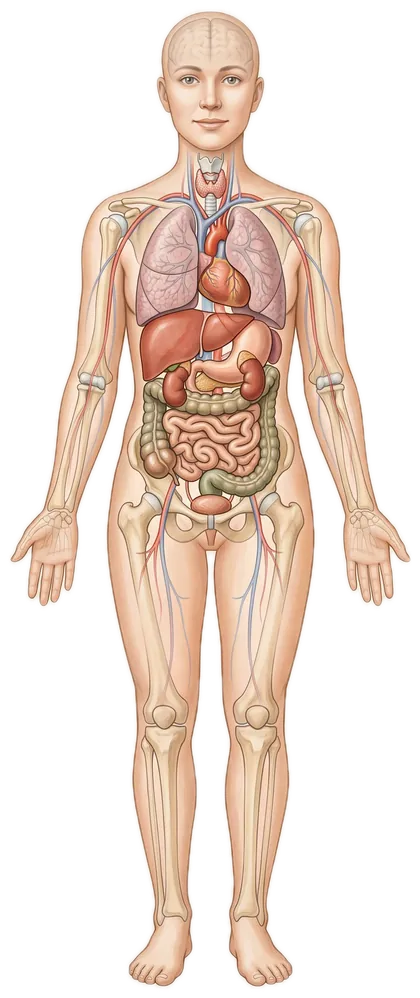
In plain words.
How it feels: cramps or aching, usually low in the tummy, that often ease after passing stool. Bloating tends to build through the day and settle overnight. Some people mostly have loose motions, some mostly constipation, some both. Mucus in the stool can happen. IBS does not cause bleeding, weight loss or fever.
Triggers differ from person to person: stress and worry (the gut and brain are wired together and talk both ways), irregular meals, poor sleep, and certain foods, often onion, garlic, beans such as rajma and chole, some fruits, milk if it does not suit you, and sweeteners. IBS sometimes starts after a bad bout of gut infection.
It is diagnosed from the pattern, after checking for things that can look like it: coeliac disease (a reaction to wheat), milk not suiting the gut, inflammation of the bowel, thyroid problems and parasites. Treatment is a plan rather than one pill: regular meals, a guided trial of fewer trigger foods, soluble fibre such as isabgol, exercise, help with stress, and medicines for spasm, loose motions or constipation, or ones that calm the gut’s nerves.
A sensitive gut
The bowel moves food along with gentle, steady waves of squeezing. Gas is normal, and the nerves in its wall send only quiet signals up to the brain.
In IBS the squeezing comes in uneven spasms and the nerves are extra sensitive: the same gas stretches the bowel and is felt as pain and bloating. The gut and brain talk both ways, so stress turns the signals up further.
Go to hospital now if
- Severe tummy pain that keeps getting worse, or comes with fever or vomiting: go to hospital now. This is not typical of IBS.
- A swollen, tight tummy with vomiting and no stool or wind: go to hospital now.
- Passing a lot of blood, black, sticky, tarry stools (not just the dark stools iron tablets cause), or feeling faint: go to hospital now.
- Tummy pain in pregnancy, or with a missed period and dizziness: go to hospital now.
- Upper tummy or chest discomfort with sweating or breathlessness: call 112. It can be the heart.
Call 112 or go to the nearest emergency department. Ambulance: 108 (102 in some states).
See a doctor within a week if
- There is blood in the stool
- You are losing weight without trying, or have anaemia
- Loose motions wake you at night
- Symptoms began after the age of 50, or your bowel habit has changed for more than a few weeks
- A close relative has had bowel cancer, ovarian cancer, coeliac disease or inflammation of the bowel
- For women: bloating most days for three weeks or more, especially after the age of 50
Tests that help.
Not everyone needs every test. He decides which ones are worth doing for you.
| Test | What it tells |
|---|---|
| Complete blood count (CBC) | Looks for anaemia, which points away from IBS. |
| ESR or CRP | Markers of inflammation. Usually normal in IBS; raised when the bowel is inflamed. |
| Coeliac blood test (tTG-IgA) | Coeliac disease can look just like IBS. Keep eating wheat as usual before this test, or it can come back falsely normal. |
| Stool calprotectin | Helps tell a sensitive bowel (IBS) from an inflamed one, such as Crohn’s disease or ulcerative colitis; painkillers and infection can also raise it. |
| Thyroid (TSH) | Both an overactive and an underactive thyroid change bowel habit. |
| Stool for parasites | Giardia can cause bloating and loose motions. |
| For women with lasting bloating | An ultrasound of the pelvis, and sometimes a blood test called CA-125, to check the ovaries. |
Have it ready.
Tick them off as you gather them. The ticks stay on this phone only.
Online, or in person?
Avoid cutting out whole groups of food for long on your own: it can leave you short of nutrients without helping. Change one thing at a time, so you can tell what works. Be wary of repeated courses of antibiotics, and of unlabelled powders sold for “gas”.
A video call can
- Recognise the pattern of IBS and check for warning signs
- Choose which tests are worth doing, and read them with you
- Plan meals, including a guided trial of fewer trigger foods
- Prescribe medicines for spasm, loose motions or constipation
- Help with stress and sleep, and follow up
Needs a visit in person
- Examining the tummy
- A colonoscopy or endoscopy
- An ultrasound scan
- Any sign in the red box: that is an emergency

Talk it through with Dr. Arya.
Bring your reports and medicines to a video consultation. He goes through them with you, in plain words, and says clearly if you need to be seen in person.
Book a video consultationDr. Prabhat Arya · MBBS, MD (Internal Medicine) · Delhi Medical Council Reg. No. DMC-83759