Low sugar starves the brain of its fuel.
The brain runs almost entirely on sugar from the blood. When the level drops too low, the body sounds an alarm first: shaking, sweating, hunger. If nothing is done, the brain starts to slow down. Treated quickly, a low is easy to reverse. It mostly happens to people with diabetes who take insulin or certain sugar tablets.
In plain words.
A sugar reading below 70 mg/dL is low. Below 54 mg/dL is a serious low that needs treating straight away. A low where the person needs someone else’s help to recover is a severe low.
It mostly happens with insulin and the sugar tablets called sulfonylureas: glimepiride, gliclazide and glibenclamide. Metformin on its own rarely causes a low. The usual triggers are a missed or late meal, a fast (vrat or roza), more exercise than usual, alcohol, a dose that is too high, a stomach upset, or kidneys that clear the medicine more slowly.
If you can swallow safely, treat it at once with fast sugar: 15 to 20 grams, which is 4 teaspoons of glucose powder or sugar stirred into water, or enough glucose tablets to make 15 to 20 grams (check the pack), or about 150 ml (half a glass) of fruit juice or a regular, non-diet soft drink. Check again after 15 minutes and repeat if it is still below 70. Once it is back up, eat a roti, bread or a few biscuits unless a meal is due within the hour. If you also take voglibose or acarbose, keep glucose powder or glucose tablets at hand and use them: ordinary sugar, juice and soft drinks work more slowly with these medicines. If you have no glucose, give sugar anyway rather than nothing. If you cannot check the sugar but the signs fit and the person can swallow safely, treat it as a low anyway: a little extra sugar does no harm.
If the person is very drowsy, fitting or unconscious, give nothing by mouth: they can choke. Lay them on their side and call 112. After sulfonylureas or long-acting insulin a low can come back for many hours, so a severe low needs hospital even after the person wakes up. Never give insulin to someone who is drowsy or confused.
Low sugar in someone who does not have diabetes is uncommon. Alcohol without food, some medicines, serious illness, and some stomach operations can cause it. Feeling shaky after a meal is common, but it is only called low sugar if a reading taken at that moment is low.
What the brain feels when sugar falls
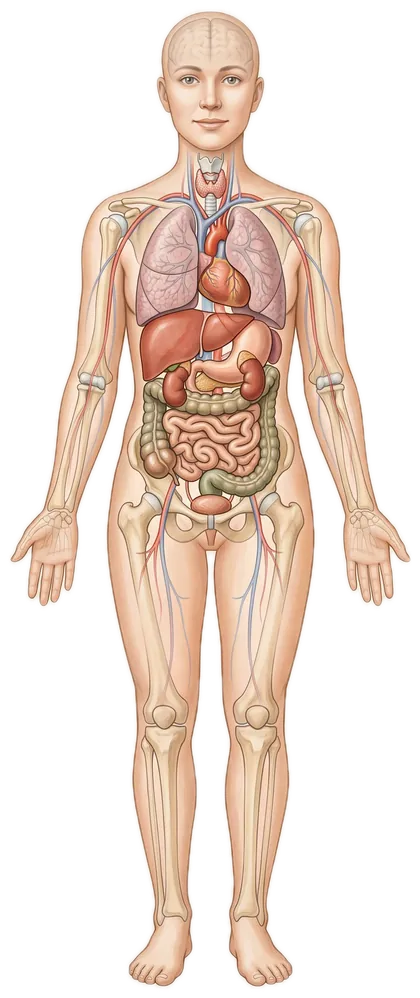
Sugar in the blood reaches the brain every moment. The brain cannot store much of it, so it needs a steady supply.
Below 70 the body sounds an alarm: shaking, sweating, a racing heart, hunger. If the level keeps falling, the brain slows down: confusion, then drowsiness or a fit.
If the person can swallow safely: 15 to 20 grams of fast sugar, then check again after 15 minutes and repeat if still low. Then eat some starch. If they cannot swallow safely, give nothing by mouth and call 112.
Go to hospital now if
- Someone on insulin or sugar tablets is very drowsy, confused and unable to swallow safely, fitting or unconscious: call 112. Lay them on their side. Give nothing by mouth, and never put fingers or food in the mouth of someone who is fitting. If glucagon has been prescribed and you have been shown how to use it, give it.
- The sugar stays low after two rounds of fast sugar, or keeps falling again: go to hospital now.
- Confusion, odd behaviour or drowsiness that has not cleared 15 minutes after fast sugar, even if the reading is now normal: go to hospital now.
- A severe low on glimepiride, gliclazide, glibenclamide or long-acting insulin: go to hospital even after the person wakes up, because the low can come back for many hours.
- Too much insulin or too many sugar tablets have been taken, by mistake or on purpose: go to hospital now, even if they feel well at first.
- Low sugar with vomiting, so that sugar cannot be kept down: go to hospital now.
- Confusion, a fit or passing out in someone without diabetes: call 112.
Call 112 or go to the nearest emergency department. Ambulance: 108 (102 in some states).
See a doctor within a few days if
- You have had any low that needed someone else’s help, even once
- You have lows more than once or twice a week
- You wake with sweats, nightmares or a headache, which may mean lows at night
- Your lows come without the usual warning signs
- You have lost weight, started a new medicine, or been told your kidneys are weak
- You plan to fast: ask for your doses to be changed beforehand, not on the day
Tests that help.
Not everyone needs every test. He decides which ones are worth doing for you.
| Test | What it tells |
|---|---|
| A glucometer reading during the symptoms | The single most useful test: it shows whether the symptoms really are low sugar. |
| A sensor worn on the arm (continuous glucose monitor) | Records sugar day and night for up to two weeks, and finds lows that happen in sleep. |
| HbA1c | A very low HbA1c on insulin or sulfonylureas can mean the treatment is too strong. |
| Kidney function (creatinine) | Weak kidneys clear insulin and some tablets more slowly, so lows last longer. |
| Liver function | The liver keeps sugar up between meals; liver disease makes lows more likely. |
| Without diabetes: sugar, insulin and C-peptide taken during a low | Done in hospital, to find a rare cause such as a tumour that makes insulin. |
Have it ready.
Tick them off as you gather them. The ticks stay on this phone only.
Online, or in person?
Do not stop insulin on your own because of a low. In type 1 diabetes that can be dangerous within a day. Ask for the dose to be changed. Chocolate and sweets with fat act slowly; for a low, choose glucose, sugar in water, or juice, and glucose first if you take voglibose or acarbose. If you take insulin or glimepiride, gliclazide or glibenclamide, check your sugar before you drive and eat first if it is below 90 mg/dL. Do not drive with a low, and wait at least 45 minutes after it is back to normal.
A video call can
- Find the likely cause of your lows from your readings and your story
- Adjust insulin and tablet doses, or change to medicines less likely to cause lows
- Make a plan for fasting days, illness days and exercise
- Teach you and your family how to treat a low, and when to call for help
Needs a visit in person
- Blood tests, at a laboratory or by home collection
- Fitting a glucose sensor
- Any hospital stay after a severe low
- Any sign in the red box: that is an emergency

Talk it through with Dr. Arya.
Bring your reports and medicines to a video consultation. He goes through them with you, in plain words, and says clearly if you need to be seen in person.
Book a video consultationDr. Prabhat Arya · MBBS, MD (Internal Medicine) · Delhi Medical Council Reg. No. DMC-83759