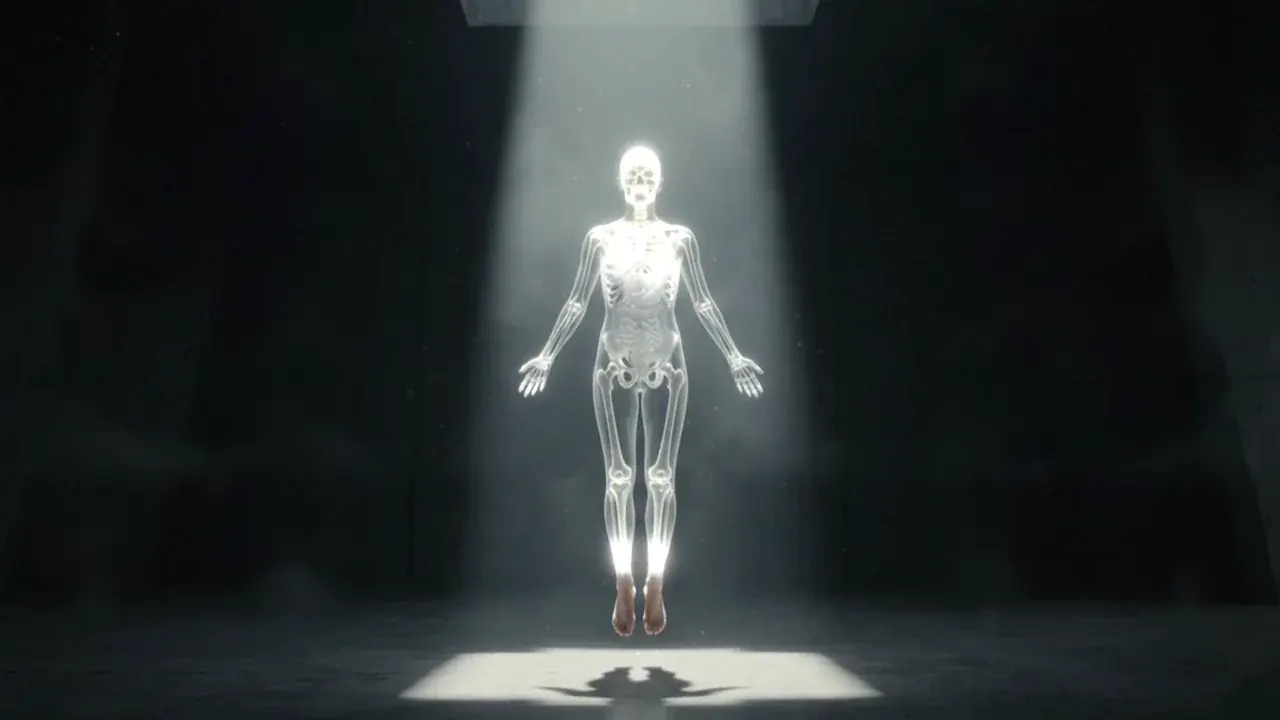
What Dr. Arya says about each organ
Brain Dimaag
Think about it: your brain uses more of the body's energy than any other organ! So it needs the right fuel too.
What to eat
What to eat?
- A handful of walnuts or flax seeds every day, green vegetables, and seasonal fruit such as jamun and guava.
- If you eat non-veg, fish twice a week.
Daily habits
Daily habit.
- Seven to eight hours of sleep.
- And phone off an hour before bed.
- Keep learning something new: a language, a skill.
- And keep BP and sugar under control; they protect you from a stroke.
Exercise
Exercise!
- Thirty minutes of brisk walking and ten minutes of pranayam every day.
Urgent Now, listen carefully. If the face suddenly droops, an arm or leg goes weak, or speaking becomes difficult, it may be a stroke. Do not wait. Go to hospital at once.
Frequent headaches or forgetfulness? Talk to me on a video consultation.
Eyes Aankhein
Your eyes are your window to the world! Let's keep them healthy.
What to eat
What to eat?
- Carrots, papaya, spinach, methi and amla.
- Eggs are good for the eyes too.
Daily habits
Daily habit.
- If you work on a screen, remember the 20-20-20 rule.
- Every twenty minutes, look twenty feet away for twenty seconds.
- Sunglasses in strong sun.
- And if you have diabetes, have your retina checked once a year.
Exercise
Exercise!
- Eye exercises do not bring down your glasses number.
- But palming does ease tired eyes.
- Rub your palms together and rest them on your closed eyes.
- And a daily walk protects the eyes by keeping BP and sugar in check.
Urgent Now, listen carefully. Sudden blurring, or darkness in one eye: do not wait. Go to a hospital or an eye emergency at once.
Burning or redness in the eyes? Tell me on a video consultation.
Thyroid
In your neck sits a small gland, the thyroid. And it sets the pace of the whole body!
What to eat
What to eat?
- Iodised salt, but in small amounts.
- Curd, milk, eggs, dal: eat everything normally.
- And cauliflower and cabbage are fine when cooked.
Daily habits
Daily habit.
- Take the thyroid tablet in the morning on an empty stomach, with water only.
- Tea or breakfast half an hour to an hour later.
- Keep calcium or iron tablets four hours away from the thyroid tablet.
- And never stop the medicine on your own.
Exercise
Exercise!
- A thirty-minute walk every day, and muscle exercise two days a week.
- It keeps your weight in check.
Get it checked One more thing to remember. On the tablet? Have a TSH test every six to twelve months. Planning a pregnancy, or pregnant? Get a TSH test straight away.
Got your TSH report? Show it to me on a video consultation.
Heart Dil
Did you know? Your heart beats about a hundred thousand times a day! So let's see how to look after it.
What to eat
What to eat?
- Dal, vegetables, salad, daliya, and a handful of unsalted nuts every day.
- And keep namkeen, biscuits, samosas and vanaspati ghee to a minimum.
Daily habits
Daily habit.
- Salt: just one small teaspoon in the whole day, no more.
- Cigarettes, beedi, gutka: stop them all.
- And after thirty, keep checking your BP, sugar and cholesterol.
Exercise
Exercise!
- Thirty minutes of brisk walking, five days a week.
- Fast enough that you can talk, but not sing.
Urgent Now, listen carefully. Chest pain, heaviness or burning that lasts more than five minutes. Especially with sweating, breathlessness or restlessness. Then do not wait. Go to hospital at once.
Want your BP or cholesterol report reviewed? Show it to me on a video consultation.
Lungs Phephde
Your lungs take thousands of breaths every day! And every breath is life.
What to eat
What to eat?
- Colourful vegetables and fruit, and plenty of water through the day.
Daily habits
Daily habit.
- Stop cigarettes, beedi and hookah completely.
- Stay away from the smoke of chulhas and burning rubbish.
- When the air is bad and the AQI is high, walk indoors in the morning, and wear an N95 mask outside.
- Over sixty, or with diabetes, asthma, heart disease or pregnancy? Get the flu vaccine every year, and ask about the pneumonia vaccine too.
Exercise
Exercise!
- A daily walk, and ten minutes of deep-breathing pranayam such as anulom vilom.
Get it checked Now, listen carefully. A cough for more than two weeks needs a TB test.
Breathless, or a cough that won't go? Talk to me on a video consultation.
Liver Jigar
The liver is your body's factory! It does more than a hundred jobs on its own.
What to eat
What to eat?
- Vegetables, dal, whole grains.
- Less sugar, cold drinks and maida.
- With fatty liver, one or two cups of coffee without sugar can help.
Daily habits
Daily habit.
- No alcohol at all.
- No medicine, 'detox' or home remedy without a doctor's advice; some remedies harm the liver.
- And get the hepatitis B vaccine.
Exercise
Exercise!
- A thirty to forty-five minute walk every day.
- Losing just five to ten percent of your weight can improve fatty liver a great deal!
Get it checked Now, listen carefully. Yellow eyes, or fluid building up in the belly: see a doctor soon.
Urgent And vomiting blood, black stools or fainting: go to hospital at once.
Fatty liver on your report? Show it to me on a video consultation.
Gallbladder Pitte ki thaili
The gallbladder is a small pouch that stores bile, which helps you digest food.
What to eat
What to eat?
- Fibre-rich food: vegetables, fruit, dal, atta with the bran.
- And less fried and very oily food.
Daily habits
Daily habit.
- Don't skip meals; eat on time every day.
- Lose weight slowly.
- Because crash diets raise the risk of stones.
Exercise
Exercise!
- A thirty-minute walk every day.
Good to know Good to know. A stone seen on ultrasound, with no pain, does not always need an operation. But if the stone is bigger than three centimetres, or there is a polyp, do ask about an operation.
Urgent Now, listen carefully. Sharp pain in the upper right belly after meals, with fever or yellow eyes: do not wait. Go to hospital at once.
Got a gallstone report? Ask me on a video consultation whether you need an operation.
Stomach Pet
Your stomach handles three or four meals every day! So be a little gentle with it.
What to eat
What to eat?
- Eat small amounts, on time.
- Curd and buttermilk are good.
- And less tea on an empty stomach, and less chilli and spice.
Daily habits
Daily habit.
- Dinner two to three hours before sleep.
- Don't keep taking painkillers such as diclofenac or ibuprofen on your own; they can cause ulcers.
- And smoking makes acidity worse.
Exercise
Exercise!
- A gentle ten-minute walk after meals.
- It eases both gas and heaviness.
Urgent Now, listen carefully. Black stools or vomiting blood: do not wait. Go to hospital at once.
Get it checked And weight loss without a reason, or trouble swallowing: get checked soon.
Acidity every day? Talk to me on a video consultation.
Pancreas
Hidden behind the stomach is the pancreas. It makes insulin, which controls blood sugar.
What to eat
What to eat?
- Less sugar, maida and sweet drinks.
- Half the plate vegetables, a quarter dal or protein, and a quarter roti or rice.
- And less fried food.
Daily habits
Daily habit.
- No alcohol; it can inflame the pancreas.
- And after thirty, a sugar test once a year: HbA1c.
Exercise
Exercise!
- A thirty-minute walk every day, and muscle exercise two days a week.
- Muscles use sugar well.
- On insulin or sugar tablets? Carry something sweet on your walk.
Urgent Now, listen carefully. Severe upper belly pain going through to the back, with vomiting: do not wait. Go to hospital at once.
Sugar report borderline? Show it to me on a video consultation.
Intestines Aantein
Your intestines draw energy from food. And gut health affects the whole body!
What to eat
What to eat?
- Fibre, fibre, fibre!
- Vegetables, fruit, dal, atta with the bran, and isabgol if needed.
- And curd or buttermilk every day.
Daily habits
Daily habit.
- Eight to ten glasses of water a day, unless your doctor has said less.
- The toilet at the same time every day.
- Wash your hands before eating, and drink only clean water.
Exercise
Exercise!
- A daily walk helps a lot with constipation.
- And with diarrhoea, drink ORS.
Get it checked Now, listen carefully. Blood in the stool, a change in bowel habit for more than two weeks, or weight loss without a reason: get checked.
Long-standing constipation or tummy trouble? Tell me on a video consultation.
Kidneys Gurde
Your two kidneys clean your blood, day and night!
What to eat
What to eat?
- Less salt.
- Enough water to keep your urine pale yellow.
- And no protein powder or supplements without advice.
Daily habits
Daily habit.
- Don't keep taking painkillers.
- Don't take home remedies that claim to 'clean the kidneys'.
- The kidneys' biggest enemies are BP and sugar.
- Keep them under control, and if you have diabetes or BP, have a creatinine and urine test once a year.
Exercise
Exercise!
- A thirty-minute walk every day.
Important Very important. If you already have kidney disease, take water, protein, bananas and coconut water only as your doctor advises.
Creatinine high? Show me the report on a video consultation.
Bladder Mootrashay
The bladder stores urine. And good habits for it are very easy!
What to eat
What to eat?
- The right amount of water through the day.
- Passing urine often? Less tea, coffee and cold drinks.
Daily habits
Daily habit.
- Don't hold urine in for long.
- Women: always wipe from front to back.
- Up often at night? Less water in the two hours before bed.
Exercise
Exercise!
- Kegel exercises.
- Tighten the muscles that hold urine for ten seconds, then relax.
- Ten times, three times a day.
See a doctor soon Now, listen carefully. Blood in the urine, even without pain: get it checked. Burning with fever: do not delay.
Burning, or passing urine often? Talk to me on a video consultation.
Bones and joints Haddiyan aur jod
Your bones are strongest between 25 and 30 years of age. After that, they need protecting.
What to eat
What to eat?
- Milk, curd, paneer, ragi and sesame, for calcium.
- Protein with every meal.
- And for vitamin D, fifteen to twenty minutes of sun on your arms and legs every day.
Daily habits
Daily habit.
- Keep your weight in check; your knees will thank you!
- Smoking weakens bones.
- And don't take big doses of calcium or vitamin D without a test.
Exercise
Exercise!
- Walking, stairs and light weights.
- Every day, one minute standing on one leg, holding a wall or chair, to practise balance; it helps prevent falls.
Good to know And women: after menopause, ask your doctor about a bone density test.
Long-standing knee or back pain? Talk to me on a video consultation. That's all for today. Take care of yourself!
Muscles Maaspeshiyan
Muscles are not just for strength! They matter for sugar control and preventing falls too.
What to eat
What to eat?
- Protein with every meal: dal, chana, rajma, soybean, paneer, curd.
- If you eat non-veg: eggs, chicken or fish.
Daily habits
Daily habit.
- Muscles shrink on their own with age.
- So protein and exercise, both, every day.
Exercise
Exercise!
- Muscle exercise at least two days a week.
- Standing up from a chair and sitting down, wall push-ups, a resistance band.
- Just build up slowly.
Important Watch out. If you have kidney disease, ask your doctor how much protein to take.
Always weak or tired? Talk to me on a video consultation.
Skin Tvacha
Your skin is the body's largest organ! And its first guard too.
What to eat
What to eat?
- Plenty of water, and colourful vegetables and fruit.
- And less sugar.
Daily habits
Daily habit.
- SPF 30 sunscreen or a hat in strong sun.
- No steroid creams without a doctor's advice, such as fairness creams or mixed itch creams.
- They thin the skin and make fungus worse.
- And if you have diabetes, check your feet every day for any cut or blister.
Exercise
Exercise!
- A daily walk keeps the circulation healthy.
Get it checked Now, listen carefully. A mole that changes colour or shape, or a sore that won't heal: see a doctor.
A skin problem? Show me a photo on a video consultation.
Blood vessels Nasein
Your blood vessels carry blood all through the body. From head to toe!
What to eat
What to eat?
- The same food as for the heart: less salt, less fried food, more vegetables, dal and fibre.
Daily habits
Daily habit.
- Smoking narrows the blood vessels; stop it.
- After thirty, check BP, sugar and cholesterol.
- If you sit for long, get up every hour and walk for two minutes.
Exercise
Exercise!
- A thirty-minute walk every day.
- Swollen leg veins? Raise your legs a little when lying down.
Urgent Now, listen carefully. Sudden swelling and pain in one leg: see a doctor the same day. It may be a blood clot. And with breathlessness or chest pain: go to hospital at once.
Swollen legs or bulging veins? Talk to me on a video consultation.
Uterus and ovaries Garbhashay aur ovaries
Now, for women. How to care for the uterus and ovaries?
What to eat
What to eat?
- For iron: green leafy vegetables, chana, rajma, bajra, and eggs or meat if you eat non-veg.
- Add lemon or amla so the iron is absorbed well.
Daily habits
Daily habit.
- Keep track of your periods.
- After thirty, have a cervical screening test every five years.
- And get daughters aged nine to fourteen the HPV vaccine.
Exercise
Exercise!
- A daily walk, and muscle exercise two days a week.
- With PCOS, losing five to ten percent of weight improves periods for many women!
- And planning a pregnancy? Start folic acid three months before.
Get it checked Now, listen carefully. Bleeding between periods, or after menopause: get checked.
Trouble with periods or PCOS? Talk to me on a video consultation.
Prostate
Now, for men. The prostate is a gland beside the urine passage. After fifty, it often starts to enlarge.
What to eat
What to eat?
- Vegetables, fruit and whole grains.
- And less fried food and red meat.
Daily habits
Daily habit.
- Less water in the two hours before bed.
- Less tea, coffee and alcohol in the evening.
- After passing urine, wait a moment and try again, so the bladder empties fully.
Exercise
Exercise!
- A daily walk, and keep your weight in check.
Good to know Whether to have a PSA test: decide that with your doctor.
Urgent Now, listen carefully. If you cannot pass urine at all: go to hospital at once.
Get it checked And blood in the urine: get it checked.
Up often at night to pass urine? Talk to me on a video consultation.