A stroke is an emergency, and much of it can be prevented.
A stroke happens when part of the brain suddenly loses its blood supply, because an artery is blocked by a clot or bursts and bleeds. Brain cells start to die within minutes. Fast treatment in hospital can save brain and limit disability, so the first minutes matter most.
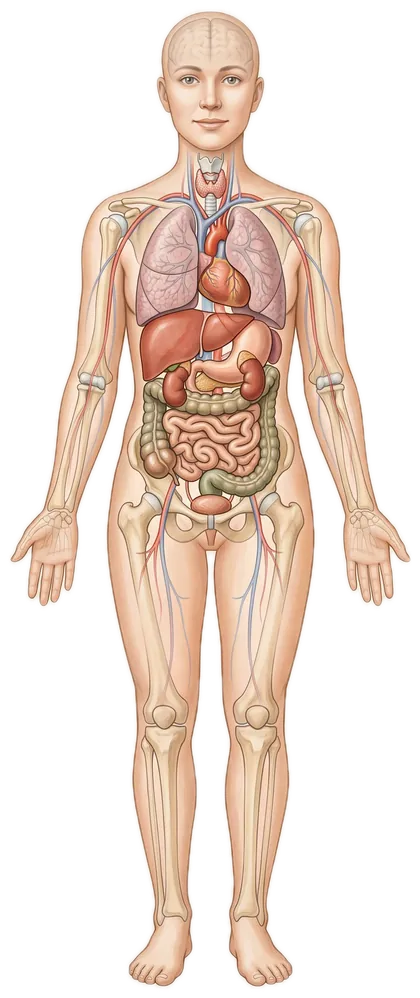
In plain words.
Most strokes are from a clot blocking an artery in the brain. The clot may form on a fatty plaque in the brain or neck arteries, or come from the heart, especially in an irregular heartbeat called atrial fibrillation (AF). Some strokes are from a bleed, when a weak artery bursts, most often because of high BP.
Because each side of the brain runs the opposite side of the body, a stroke usually weakens one side: the face, arm or leg, and often speech or vision. Remember FAST: Face drooping on one side, Arm or leg weak or numb, Speech slurred or confused, Time to call 112. Sudden loss of balance or of sight in one or both eyes can also be a stroke.
For a clot, a clot-busting injection can help if given within a few hours of the start, and some people can have the clot pulled out. For both types a brain scan comes first, to tell a clot from a bleed. That is why you go to a hospital that can scan, not to a clinic, and why the time the symptoms started matters.
A mini-stroke (TIA) gives the same signs but they pass within minutes or hours. It is a warning: a full stroke can follow within days. Treat it as an emergency too.
After a stroke, recovery is fastest in the first weeks and months, with physiotherapy, speech and swallowing therapy, and help at home. Lowering the risk of another stroke is as important: medicines, BP, sugar and cholesterol control, and stopping tobacco.
A clot, a bleed, and every minute
A clot blocks an artery in the brain. The part of the brain beyond it gets no blood and starts to die. This is the most common kind of stroke.
A weak artery, often worn by years of high BP, bursts. Blood leaks into the brain and presses on it. A scan in hospital tells a bleed from a clot, and they are treated differently.
Face drooping, Arm weak, Speech slurred: Time to call 112. Every minute without blood, brain cells die. Note the time it started, and go to a hospital that can do a brain scan.
Go to hospital now if
- Face drooping, weakness or numbness of an arm or leg, or slurred or confused speech, even if it lasts only a few minutes and then passes: call 112 at once. Do not wait to see if it gets better.
- Sudden loss of sight, sudden loss of balance or trouble walking, or a sudden, very severe headache: call 112.
- Someone suddenly becomes very drowsy, confused or cannot be woken: call 112.
- Go to the nearest hospital that can do a CT or MRI brain scan and give clot-busting treatment, not to a clinic. If an ambulance will be slow, have someone take the person by car. Note the time the signs started, or the last time the person was seen well.
- While you wait: keep the person lying on their side with the head slightly raised, loosen tight clothing, and stay with them. Do not give aspirin or any tablet, food or water: a bleed must be ruled out first, and swallowing may be unsafe.
Call 112 or go to the nearest emergency department. Ambulance: 108 (102 in some states).
See a doctor the same day if
- Signs like a stroke came and went more than a day ago and nobody has checked you: you still need tests and treatment quickly
- You notice a new, irregular or racing heartbeat
- After a stroke, you have new trouble swallowing, coughing on food or drink, or a fever
Tests that help.
Not everyone needs every test. He decides which ones are worth doing for you.
| Test | What it tells |
|---|---|
| CT or MRI brain scan | Done straight away in hospital. Tells a clot from a bleed and shows which part of the brain is affected. |
| Blood sugar | Checked at once: a very low sugar can look like a stroke. |
| ECG and heart monitoring | Looks for AF, an irregular heartbeat that throws clots to the brain. |
| Doppler (ultrasound) of the neck arteries | Looks for narrowing in the arteries that carry blood to the brain. |
| Echo (ultrasound of the heart) | Looks for a clot or another source in the heart. |
| Lipid profile, HbA1c, kidney function and blood count | Measure the risks that can be treated. |
Have it ready.
Tick them off as you gather them. The ticks stay on this phone only.
Online, or in person?
Do not stop blood thinners such as aspirin, clopidogrel, warfarin, apixaban or rivaroxaban without asking your doctor, even before a dental or other procedure: stopping can bring on a stroke. After a stroke, check with your doctor before driving again.
A video call can
- Look at your overall stroke risk and bring BP, sugar and cholesterol to target
- Go through scan, Doppler and echo reports with you
- Follow you up after a stroke, alongside your neurologist, and adjust medicines
- Help the family plan care at home and spot problems early
Needs a visit in person
- Stroke signs happening now: that is for hospital, not a video call
- Brain scans, clot-busting treatment and clot removal
- Physiotherapy, speech and swallowing therapy
Talk it through with Dr. Arya.
Bring your reports and medicines to a video consultation. He goes through them with you, in plain words, and says clearly if you need to be seen in person.
Book a video consultationDr. Prabhat Arya · MBBS, MD (Internal Medicine) · Delhi Medical Council Reg. No. DMC-83759