Typhoid starts in the gut, and the fever comes from the blood.
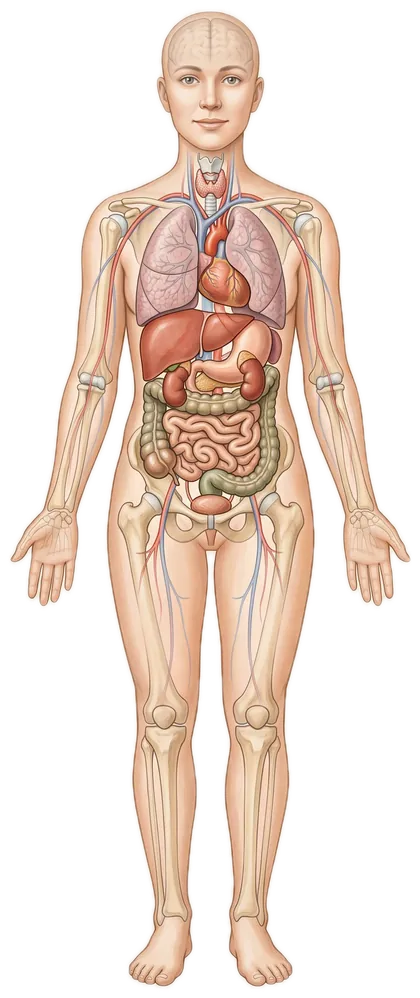
Typhoid is caused by a germ, Salmonella Typhi, that spreads through food or water carrying tiny traces of an infected person’s stool. It is swallowed, crosses the wall of the gut, and gets into the bloodstream. That is why the fever is steady and lasting, and why the right blood test finds it.
In plain words.
The fever usually climbs step by step over several days rather than starting all at once, and then stays high. Headache, tiredness, loss of appetite and a dull tummy ache are common. Some people have constipation, others loose motions.
It needs an antibiotic chosen by a doctor. In India typhoid germs have become resistant to several common antibiotics, so the wrong one, or a short course, can let it drag on or come back. With the right treatment most people feel better within a few days, though full strength takes longer.
Untreated, typhoid can cause serious problems in the second or third week, such as bleeding from the gut or a hole in the bowel. It is prevented by safe water (boiled or filtered), washing hands with soap before eating and after the toilet, and a typhoid vaccine, which is available in India for children and adults.
How typhoid gets in
The germ arrives in water or food that carries traces of stool, often from outside food, unsafe water or unwashed hands. It passes the stomach and settles in the small intestine.
It crosses the gut wall and spreads through the bloodstream. The fever follows. A blood culture, taken before any antibiotic, catches the germ here.
Go to hospital now if
- Sudden severe tummy pain, or a hard, swollen tummy: go to hospital now.
- Black, tarry stools, blood in the stool, or vomiting blood: go to hospital now.
- Confusion, unusual drowsiness, or feeling very ill and weak: go to hospital now.
- You cannot keep fluids down, pass very little urine, or feel faint on standing: go to hospital now.
- Breathlessness, or lips turning blue: call 112.
Call 112 or go to the nearest emergency department. Ambulance: 108 (102 in some states).
See a doctor within a day if
- A fever has lasted more than three days
- The fever keeps climbing day by day
- You are already on an antibiotic and the fever is no better after four or five days
- You are pregnant, over 65, or have another long-term illness
Tests that help.
Not everyone needs every test. He decides which ones are worth doing for you.
| Test | What it tells |
|---|---|
| Blood culture | The reliable test, best in the first week and taken before any antibiotic. The result takes two to three days. |
| Widal test | Often misleading: it can be positive without typhoid and negative with it. One positive Widal is not proof. |
| Rapid antibody cards (such as Typhidot) | Also often wrong. Better not relied on alone. |
| Complete blood count (CBC) | The white count is often normal or low in typhoid. |
| Liver tests | Often mildly raised. |
| Tests for dengue, malaria and urine infection | Fevers can look alike in the first days. |
Have it ready.
Tick them off as you gather them. The ticks stay on this phone only.
Online, or in person?
Do not start an antibiotic yourself before a blood culture has been taken: it can hide the germ from the test. Once started, finish the full course, even if you feel better.
A video call can
- Work out whether typhoid is likely, or another cause
- Decide which tests to do and on which day
- Choose the antibiotic when it is needed, and the length of course
- Follow your fever and reports until you are well
Needs a visit in person
- Examining the tummy when pain is significant
- Blood tests, at a laboratory or by home collection
- A drip (IV fluids) or injected antibiotics when you cannot keep fluids down
- Any sign in the red box: that is an emergency

Talk it through with Dr. Arya.
Bring your reports and medicines to a video consultation. He goes through them with you, in plain words, and says clearly if you need to be seen in person.
Book a video consultationDr. Prabhat Arya · MBBS, MD (Internal Medicine) · Delhi Medical Council Reg. No. DMC-83759