Kidney damage is quiet, slow and worth catching early.
Chronic kidney disease means the kidneys have been losing their filtering power over months or years. Most people feel nothing until it is far along, so it is usually found on a blood or urine test. Lost filters do not come back, but the right care can slow the loss a great deal.
In plain words.
The two commonest causes are diabetes and high BP. Others include inflammation of the kidney filters (glomerulonephritis), stones or a blockage, repeated kidney infections, cysts that run in families, and years of painkillers or some herbal and ayurvedic powders.
Kidney function is worked out from the creatinine blood test as the eGFR, roughly the percentage of filtering left. An eGFR below 60, or protein in the urine, that lasts more than three months means chronic kidney disease. One odd result is not enough: a short illness or too little water can lower it for a while, so the test is repeated.
What protects the kidneys: BP kept at the target your doctor sets, sugar in range, no smoking, and certain medicines. Some BP tablets (such as ramipril or telmisartan) and some newer tablets first made for diabetes (such as dapagliflozin or empagliflozin) slow kidney damage, often even in people without diabetes.
Weak kidneys also raise the risk of heart disease, and can cause anaemia, weak bones and a high potassium. If the kidneys fail badly, dialysis or a transplant may be needed one day; planning for it early, with a kidney specialist, makes it safer.
A million filters, lost one by one
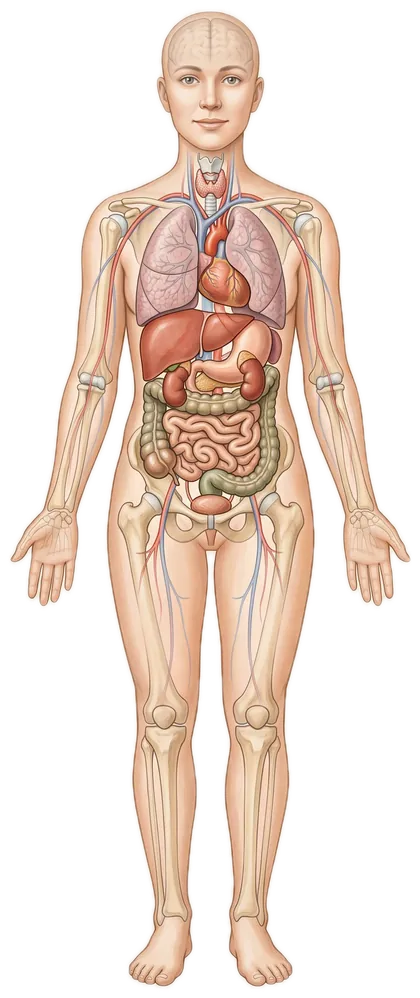
Each kidney has about a million tiny filters. All day they clean the blood, keep what the body needs and send the waste out in the urine.
Years of high sugar or high BP scar the filters one by one. A scarred filter stops working for good. As fewer are left, kidney function falls and waste builds up in the blood, often with no symptoms.
Keeping BP and sugar under control, and the right medicines, ease the strain on the filters that are left. The lost ones do not grow back, but the fall can be slowed a great deal.
Go to hospital now if
- Passing very little or no urine: go to hospital now.
- Severe breathlessness, or breathless when lying flat: call 112.
- Chest pain, fainting, a very slow or irregular heartbeat, or sudden weakness of the muscles: call 112.
- Drowsiness, confusion or a fit: call 112.
- BP above 180/120 with severe headache, blurred vision, chest pain or confusion: call 112.
- Severe pain in the side with fever, shivering or vomiting: go to hospital now.
- Vomiting or loose motions and unable to keep fluids down: go to hospital now.
Call 112 or go to the nearest emergency department. Ambulance: 108 (102 in some states).
Speak to your doctor the same day if
- Your feet, legs or face are swelling quickly, or your weight goes up by more than 2 kg in three days
- You are passing much less urine than usual
- You have a fever, vomiting or loose motions: ask whether to pause any tablets until you are eating and drinking again
- Another doctor has started a new medicine, and you are not sure it is safe for your kidneys
Tests that help.
Not everyone needs every test. He decides which ones are worth doing for you.
| Test | What it tells |
|---|---|
| Creatinine and eGFR | How well the kidneys are filtering. The trend over months tells more than any one result. |
| Urine albumin-to-creatinine ratio (ACR) | Shows protein leaking through the filters, an early sign of damage, and helps choose treatment. |
| Urine routine and microscopy | Looks for protein, blood and infection in the urine. |
| Ultrasound of the kidneys | Shows their size (they shrink after long damage), stones, blockage and cysts. |
| Sodium, potassium and bicarbonate | Weak kidneys, and some of the medicines for them, can push potassium dangerously high. |
| Haemoglobin, calcium, phosphate and vitamin D | Anaemia and weak bones come with lower kidney function, and can be treated. |
| HbA1c and cholesterol | Diabetes control and heart risk, which go hand in hand with kidney damage. |
Have it ready.
Tick them off as you gather them. The ticks stay on this phone only.
Online, or in person?
Many medicines need a lower dose, or must be stopped, when the kidneys are weak, including some diabetes tablets such as metformin, some antibiotics and most painkillers. Check with a doctor before starting any new medicine, including over-the-counter, herbal or ayurvedic remedies.
A video call can
Needs a visit in person
- Blood and urine tests, and the ultrasound
- A kidney specialist (nephrologist) when function is low or falling fast
- Planning for dialysis or a transplant, if it is ever needed
- Any sign in the red box: that is an emergency

Talk it through with Dr. Arya.
Bring your reports and medicines to a video consultation. He goes through them with you, in plain words, and says clearly if you need to be seen in person.
Book a video consultationDr. Prabhat Arya · MBBS, MD (Internal Medicine) · Delhi Medical Council Reg. No. DMC-83759