COPD is lungs that cannot empty properly.
COPD (chronic obstructive pulmonary disease) is long-term damage to the lungs, usually from years of smoke. The airways narrow and the air sacs lose their spring, so air goes in but struggles to come out. It cannot be undone, but the right treatment helps you breathe better and slows the damage.
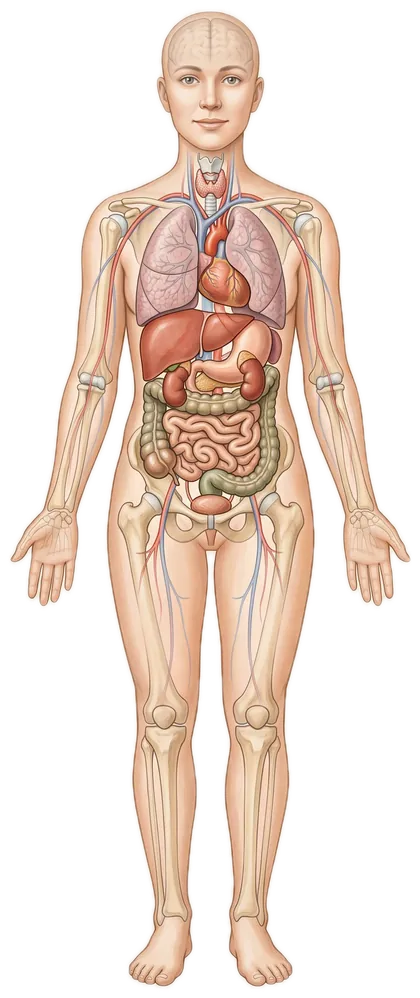
In plain words.
The main cause is smoking: cigarettes, bidis and hookah. In India, years of smoke from cooking fires (wood, dung or coal on a chulha) is another big cause, especially in women who have never smoked. Dust and fumes at work and polluted air add to it.
COPD includes chronic bronchitis (thickened airways that make mucus every day) and emphysema (burst air sacs that trap air). Most people have some of both. It creeps up slowly, and many put the breathlessness down to age.
Stopping smoking is the single most important step at any age: it slows the damage more than any medicine. Inhalers open the airways and cut down flare-ups, but only when used the right way. Breathing exercises and daily walking, often taught in a programme called pulmonary rehabilitation, help you do more with the lungs you have.
A flare-up (exacerbation) is a spell when breathlessness, cough or phlegm get worse over a day or two, often after a cold or pollution. Treating it early, with a plan agreed in advance, can keep you out of hospital.
Airways and air sacs
An open, springy airway ends in many small, elastic air sacs. When you breathe out, they spring back and push the air out easily.
Years of smoke thicken the airway and fill it with mucus. The walls between the air sacs break down into a few big, floppy bags, so air gets trapped and you feel breathless.
Inhalers open the airway, and stopping smoking slows further damage. The burst air sacs do not heal, which is why early treatment matters.
Go to hospital now if
- Breathless at rest, unable to finish a sentence, or lips or face turning blue or grey: call 112.
- Drowsiness, confusion or a morning headache that is new: call 112. It can mean carbon dioxide is building up.
- An oxygen reading below the level your doctor gave you, or below 92% if you have no such level, that does not come back up with rest and your reliever: go to hospital now.
- Chest pain lasting more than a few minutes, or sudden sharp chest pain with breathlessness: call 112.
- Coughing up blood, or a very fast or irregular heartbeat: go to hospital now.
- Your reliever inhaler or rescue plan is not helping and you are getting worse: go to hospital now.
Call 112 or go to the nearest emergency department. Ambulance: 108 (102 in some states).
See a doctor the same day if
- You are more breathless than usual, or need the reliever much more often
- Your phlegm increases, or turns yellow, green or brown
- You have a fever with the cough
- Your ankles swell, or you have started a flare-up plan and are not better in two days
Tests that help.
Not everyone needs every test. He decides which ones are worth doing for you.
| Test | What it tells |
|---|---|
| Spirometry (breathing test) | You blow hard into a tube before and after a reliever. It confirms COPD, tells it apart from asthma, and shows how severe it is. |
| Chest X-ray | Looks for over-inflated lungs, infection, and other causes such as TB or a growth. |
| Oxygen level (pulse oximeter) | Your usual reading at rest is worth knowing, to compare with during a flare-up. |
| Blood count | Anaemia makes breathlessness worse; a high red cell count can mean long-standing low oxygen. |
| ECG and echo | If the heart may be adding to the breathlessness, or the ankles swell. |
| Walking test and blood gases | Sometimes, to see how far you can walk and whether you need oxygen at home. |
Have it ready.
Tick them off as you gather them. The ticks stay on this phone only.
Online, or in person?
If you use oxygen at home, use it at the flow rate your doctor set; do not turn it up without advice, as too much can be harmful in some people with COPD. Never smoke, or let anyone smoke, near oxygen: it can catch fire. Steroid tablets for a flare-up raise blood sugar, so check it more often if you have diabetes.
A video call can
- Work out whether breathlessness is likely COPD, asthma, the heart or something else
- Arrange spirometry and other tests, and go through them with you
- Review your inhalers and technique, and adjust treatment
- Help you plan quitting smoking, and agree a written flare-up plan
Needs a visit in person
- Spirometry and a chest X-ray
- Oxygen and nebulisers in hospital during a bad flare-up
- Assessment for home oxygen, and a rehabilitation programme
- Any sign in the red box: that is an emergency

Talk it through with Dr. Arya.
Bring your reports and medicines to a video consultation. He goes through them with you, in plain words, and says clearly if you need to be seen in person.
Book a video consultationDr. Prabhat Arya · MBBS, MD (Internal Medicine) · Delhi Medical Council Reg. No. DMC-83759