High cholesterol is too much fat carried in the blood.
Cholesterol is a fat the body needs to build cells and hormones. It travels in the blood in tiny parcels. When there is too much of the kind called LDL, it slowly settles into the walls of the arteries and builds up there, usually for years without a single symptom.
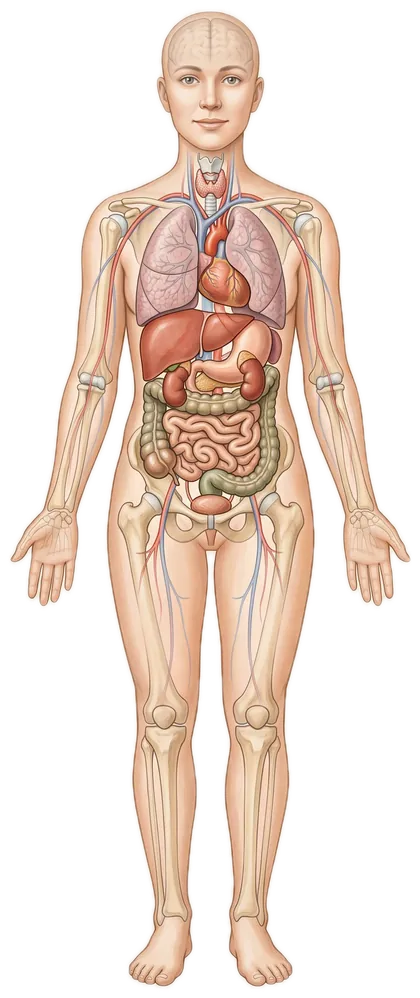
In plain words.
LDL is often called “bad” cholesterol because it is the kind that builds up in artery walls. HDL, the “good” kind, carries cholesterol away. Triglycerides are another blood fat, pushed up by sugar, refined flour, alcohol and extra weight.
The build-up (plaque) narrows the artery. If a plaque cracks, a clot forms on it and can block the artery within minutes: that is how most heart attacks, and many strokes, happen.
What your LDL should be depends on your overall risk: diabetes, BP, smoking, kidney disease, family history, or a heart attack or stroke already. The same number can be fine for one person and too high for another. Heart disease tends to come early in Indians, so a first check in your twenties or thirties is worthwhile.
A very high LDL from a young age, or a parent, brother or sister with heart disease before 55 (men) or 65 (women), can mean an inherited form. Then the whole family should be checked.
Inside an artery
Blood flows through a smooth, open artery. LDL parcels, drawn in yellow, pass by without settling.
LDL parcels slip into the artery wall and build a fatty plaque that bulges inwards. The channel narrows slowly, over years, with no pain.
A clot forms on the crack and can block the artery at once. In the heart this is a heart attack; in the brain, a stroke. Keeping LDL low helps stop plaques growing and makes a crack less likely.
Go to hospital now if
- Chest pain, pressure or tightness lasting more than a few minutes, especially with sweating, breathlessness or sickness, or spreading to the arm, jaw or back: call 112. Do not drive yourself.
- Sudden weakness or numbness of the face, arm or leg on one side, slurred speech, or sudden loss of vision: call 112, and note the time it started.
- Sudden severe breathlessness, or collapse.
Call 112 or go to the nearest emergency department. Ambulance: 108 (102 in some states).
See a doctor within a day or two if
- Chest discomfort or breathlessness comes on when walking or climbing stairs, and settles with rest
- Calf pain comes on when walking, and eases when you stop
- Muscle pain or weakness begins after starting a cholesterol medicine. If it comes with dark, cola-coloured urine, stop the tablet and see a doctor the same day
Tests that help.
Not everyone needs every test. He decides which ones are worth doing for you.
| Test | What it tells |
|---|---|
| Lipid profile | Total cholesterol, LDL, HDL, triglycerides and non-HDL. Usually no fasting is needed; you may be asked to fast if triglycerides were high before. |
| Lipoprotein(a) | An inherited risk factor. Worth checking once in a lifetime. |
| HbA1c or fasting sugar | Diabetes raises the risk to the heart and changes the LDL target. |
| Thyroid (TSH) | An underactive thyroid can raise cholesterol. |
| Liver and kidney tests | Checked before, and after, starting a medicine. |
| ECG, and more when there are symptoms | A treadmill test or others, if there is chest discomfort or breathlessness on effort. |
Have it ready.
Tick them off as you gather them. The ticks stay on this phone only.
Online, or in person?
Do not stop a cholesterol medicine because the report looks good: it looks good because of the medicine.
A video call can
- Read the lipid profile and explain which numbers matter for you
- Estimate your heart risk and set your LDL target
- Plan food, activity and, if needed, medicines, and follow the reports
- Check side effects, and whether a medicine is doing its job
Needs a visit in person
- An ECG, treadmill test or echo, when there are symptoms
- A heart specialist, for angiography or a stent when needed
- Chest pain or signs of stroke: that is an emergency
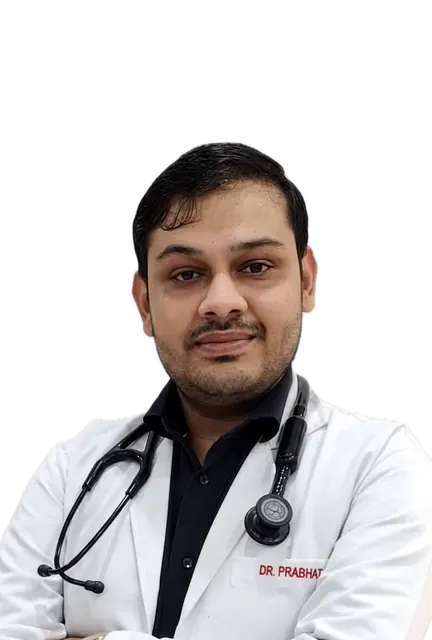
Talk it through with Dr. Arya.
Bring your reports and medicines to a video consultation. He goes through them with you, in plain words, and says clearly if you need to be seen in person.
Book a video consultationDr. Prabhat Arya · MBBS, MD (Internal Medicine) · Delhi Medical Council Reg. No. DMC-83759